About
Built by a firefighter who cracked the interview the hard way.
The oral board is where most people lose the job. I spent two years learning how to win it, and then I built the tool I wish I'd had.
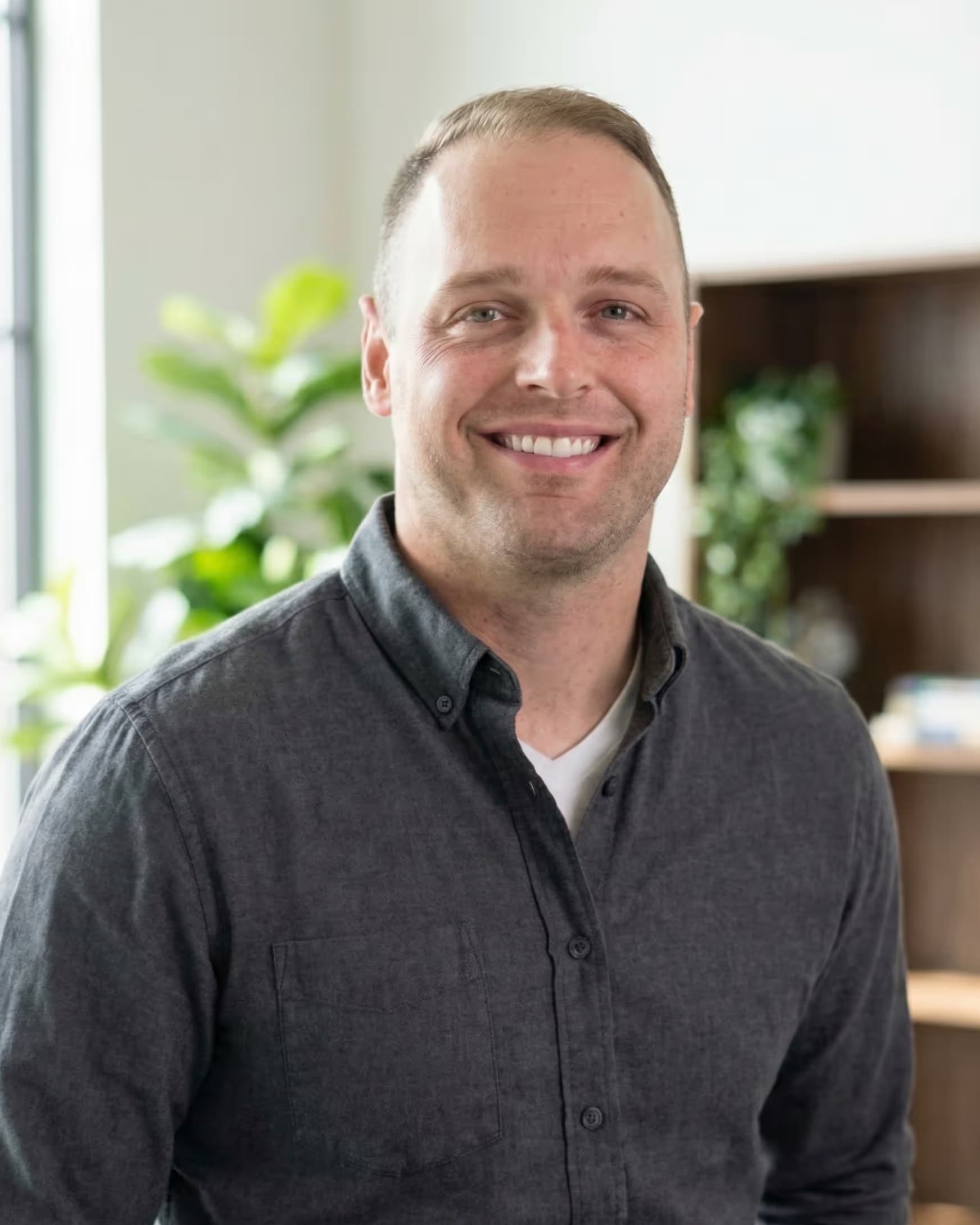
Scott Shimala · Firefighter, founder of First Call
- oral boards
- Close to 10
- on the job
- 9 years
- Human-Computer Interaction
- M.S.
The grind
When I decided I was getting hired, I went all in for two years. I interviewed with close to ten departments. I recorded myself answering questions and made myself listen back. I wrote out answers, took them apart, and took notes on what actually landed. I did in-person prep classes run by chiefs, made station visits, read the books, talked to everyone on the job who'd give me the time, and learned exactly how the hiring process works.
The whole time, one part was harder to prepare for than everything else: the oral board. It's the highest-stakes part of hiring and the one with the least real way to practice. Friends can't score you. Coaching is expensive. Question lists just teach you to sound rehearsed. There was no way to practice out loud and get honest, structured feedback on where I actually stood.
On the job
It worked. I've been on the job for nine years now.
Why it exists
But I never stopped thinking about that gap. Alongside the career, I earned a master's in human-computer interaction, a research-heavy program, and the work I did through it focused on public safety recruitment and hiring. So I built the thing that should have existed: a full mock oral board. A panel reads you each question out loud, you answer on the clock, and every answer is scored against a rubric built for that specific question, the way a structured board scores it. Not "did that feel okay." Real feedback on where you're strong, where you're weak, and whether you're getting better.
The standard behind it
Everything in it is built on how fire-service oral boards actually evaluate candidates and on published research about what separates a strong interview from a weak one. The point is simple: walk into your board already knowing how you sound, instead of finding out when it counts.
Want the mechanics? See how First Call scores an answer.
If you've got a board coming up, the worst way to walk in is untested.
Try one real question free, or create an account and run a full practice board.
Free while in beta. No credit card.